.png)
Prostate Cancer Treatments & Risk – HSR Urology Clinic
- Himani Arora
- Apr 2
- 5 min read
Updated: Apr 16
Prostate cancer keeps showing up more often these days, especially among city guys in India who’ve switched to desk jobs, late nights, and quick meals. The good news? catching it early really changes everything. At our urology clinic right here in HSR Layout, Bangalore, we keep things simple and clear. No heavy medical jargon. We talk about the everyday risks that actually matter and the treatments that have gotten way better lately, things like robotic operations that get you back on your feet fast, smarter radiation, new hormone medicines, and even targeted radiation drugs like Pluvicto that are starting to be used earlier than before.
Recent reports from 2026 show it can keep the cancer in check for over a year in many guys with advanced disease, sometimes longer when doctors bring it in sooner. This article answers the questions we hear most often so you can decide what makes sense for you. And if you’re in Bangalore or nearby, we’re right here ready to talk, answer questions, or run the necessary checks
What exactly is uro-oncology?
There’s this whole subspeciality in urology that focuses specifically on cancers of the urinary tract and male reproductive system, so when we think about cancers, we’re mostly talking about prostate, bladder, kidney and testicle. We see those over prostate cancer most often.
We are determining how advanced the disease is. This typically requires blood tests (i.e. PSA), various types of scans and often a biopsy to confirm things. The options, which depend on the circumstances, might be surgery, radiation and hormone therapy or other medications; if the cancer is slow-growing we recommend active surveillance and regular check-ups instead of starting treatment immediately.
At our Urology HSR Layout centre, we ensure that the team is well acquainted with the recent methods. We always focus on controlling the cancer and making sure treatment is as gentle as ever lesser side effects, less recovery time, better quality of life.
How does prostate cancer actually start?
It begins when some cells in the prostate gland start multiplying without stopping. The prostate is that small walnut-sized gland sitting just below the bladder it helps make part of the semen fluid. A lot of these cancers grow very slowly; some men live with them for decades and never know. Others move faster and need quicker action. We use something called a Gleason score plus scans to figure out how aggressive it looks. MRI-targeted biopsies have made a huge difference because they find the trouble spots more accurately.

What really raises your chances of getting prostate cancer?
Age is still number one – after 50 the numbers climb fast. If your dad or a brother had it, your own risk goes up quite a bit. In India we’re also seeing more cases linked to the modern city lifestyle:
Obesity
Sitting all day
Blood pressure problems
Diabetes
Consuming processed food
Having lots of red meat.
Smoking and consuming Alcohol
At the clinic we look at your whole story – family, habits, current health – and figure out whether you need to start checking earlier or more often.

Is age the biggest thing I should worry about?
Once you pass 50 the odds start rising noticeably, and after 65 they really take off. That’s just how cells work over time – more chances for mistakes to happen. Plenty of men in Bangalore skip tests because they feel fine, but that’s exactly when early pickup makes the biggest difference. We usually suggest starting PSA blood tests around 50 if your risk looks average, or earlier if there’s family history or other concerns.
What if prostate cancer runs in my family?
If a close male relative had it, especially before age 65, your risk roughly doubles. If more than one relative was affected, it climbs higher. Some families carry gene changes (BRCA and others) that make the cancer behave more aggressively. When that pattern shows up we talk about genetic testing. It’s not scary – it just gives clearer information so you can watch more closely or make smarter choices. We explain the results in plain language and help the whole family understand what it means.

How do you find prostate cancer before it causes trouble?
The combo that works best is a PSA blood test plus a careful rectal exam. If something looks off we usually move to an MRI scan, then a targeted biopsy if needed. A lot of prostate cancers don’t give any early warning signs – no pain, no blood, no obvious urine changes until later. That’s why waiting for symptoms isn’t smart. In HSR Layout we use the latest imaging and get results back quickly so you’re not left wondering.

What treatments are actually available in 2026?
How we treat prostate cancer really depends on how advanced it is and how aggressive it appears to be. For low-risk, slow-growing cancers, many men choose active surveillance regular P.S.A. tests and sometimes scans and biopsies to make sure nothing’s changing.
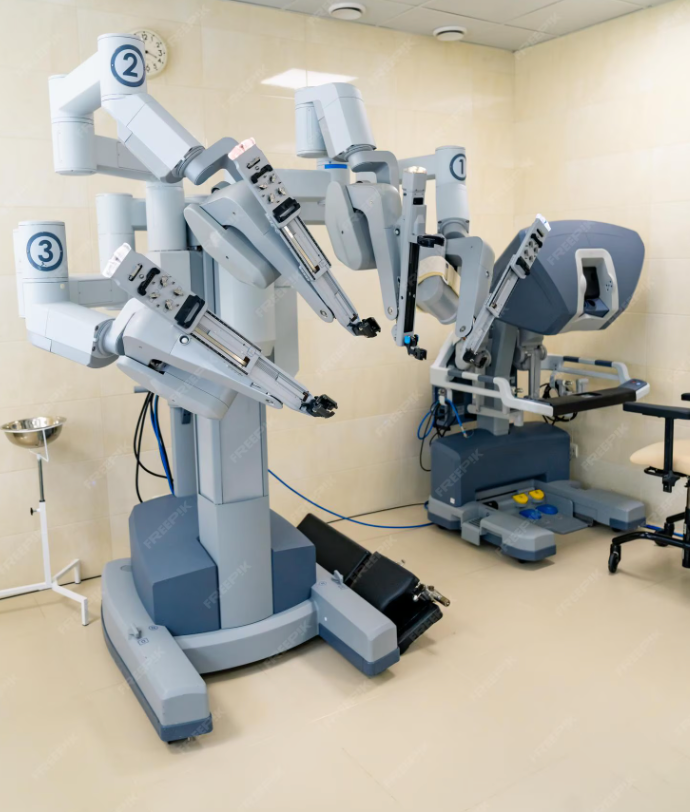
For patients with cancer who need treatment, robot surgery allows us to take out the prostate through small incisions very accurately. Radiation has also been far more targeted, which helps minimize side effects. Unfortunately, newer cases today may be more advanced and eventually many patients will develop recurrences that are more resistant to metastatic directed treatment but we do have new option like improved hormone therapies for men with certain genetic alterations (there are new targeted agents including BRCA inhibitors) and PSMA-based therapy's like Pluvicto. 2026 real-world evidence shows that for advanced disease, Pluvicto is able to sustain stability beyond 13–16 months in many cases, and especially when used earlier in a treatment sequence. The side effects are also, in general, easier to tolerate than previous generations of drugs.We want to be doing whatever strategy is going to work better for your clinical situation: controlling cancer with managing your energy and function and quality of life.
Is Active Surveillance Safe for Low-Risk Prostate Cancer?
If the tumor appears to be small, slow-growing and has a low Gleason score, active surveillance can be a safe option. It means skipping the side effects of surgery or radiation as we monitor you closely. Today, with scans and tests, this approach is much more safe than it once was.We have some hard protocols and we adapt if something changes immediately. Many of our patients go on living totally normal lives like this for years without requiring immediate treatment.
Why come to the urology clinic in HSR Layout for this?
Robotic surgery is new technology , it is about making tiny cuts and recovery easier. The real advantages are
smaller scars,
less pain,
quicker recovery and
saving urinary and sexual function.
We work in concert, with surgery and the newest systemic treatments when needed, to provide our patients with the best possible outcome.
Conclusion
Prostate cancer can be scary, but the reality is that knowing your risks things like age, family history, weight and lifestyle and taking action early gives you real control. The treatments now are highly sophisticated, and many men undergo them successfully. In our urology clinic in bangalore in HSR layout, we believe simplicity and honesty are the keys. We’ll help you understand screening, lay out your options in easy-to-understand language and support you through the process. Whether it’s the routine or a decision to treat you, there won’t be any guessing.Early action changes everything. Call us or stop by we will guide you through what’s required, step by step, with care and clarity.


Comments